1. Which processes are in-house?
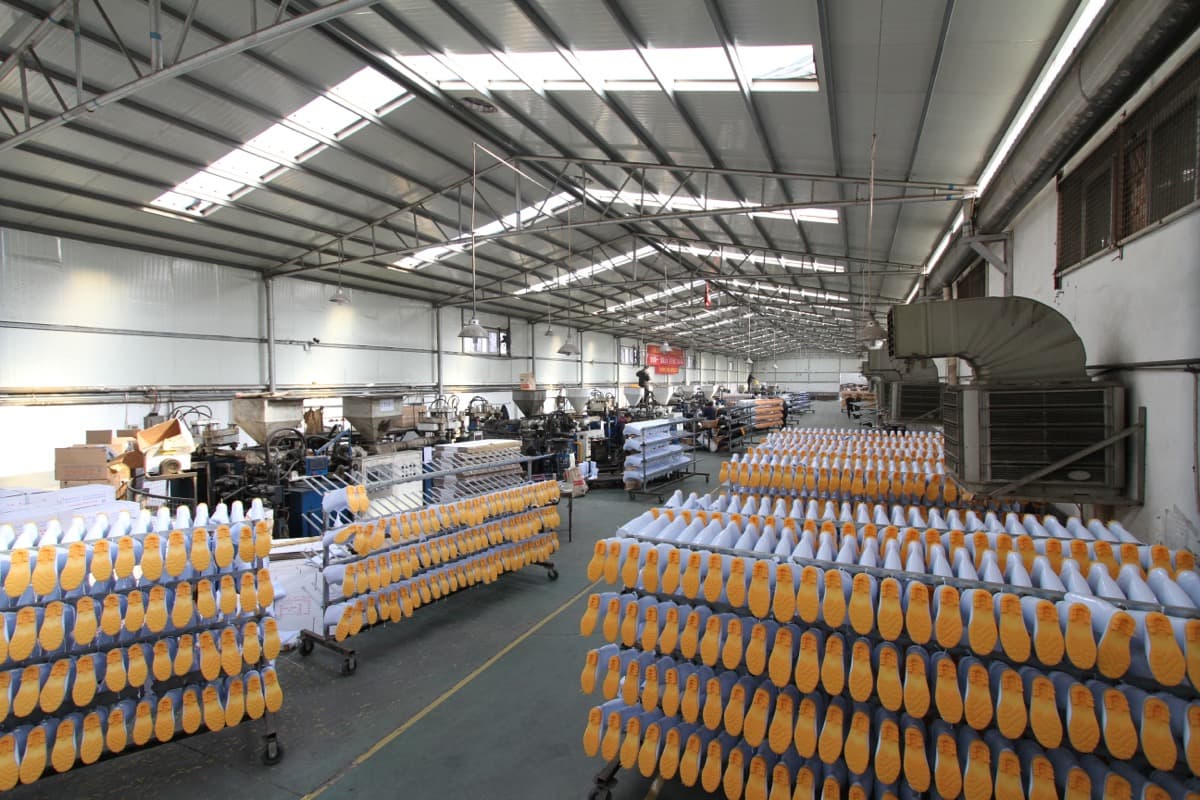
Identify injection, vulcanization, cutting, stitching, cementing, lasting, finishing, testing and packing for the quoted model.
Supplier evaluation checklist
Short answer
Before ordering, ask a safety shoes factory questions that prove product-process fit: what it makes in-house, whether it has produced comparable footwear, how it controls critical materials and how the quoted model connects to valid test evidence.
Then test execution readiness: sample ownership, size grading, approved-component control, in-line inspection, packaging, lead time, subcontracting, corrective action and shipment release. The objective is not a long questionnaire; it is a traceable RFQ and fewer assumptions.
Decision framework
| Evidence area | Ask the factory | What a useful answer contains |
|---|---|---|
| Production fit | Which processes are in-house for this model? | Molding or cementing process, tooling, outsourced steps and realistic capacity |
| Product proof | Which comparable styles are already produced? | Photos, specifications, test scope, materials and destination markets |
| Quality control | Where are critical checks recorded? | Incoming, in-line and final checkpoints with owners and records |
| Commercial control | What changes after sample approval? | Written change control for price, materials, lead time and packaging |
Buyer checklist
Identify injection, vulcanization, cutting, stitching, cementing, lasting, finishing, testing and packing for the quoted model.
Name outsourced processes and component suppliers, including who approves and inspects their work.
Request specifications and production evidence for similar material, protection level, construction and market.
Tie daily or monthly output to the relevant line, size mix, shifts, tooling and current order load.
Clarify mold ownership, storage, maintenance, modification cost and whether tooling is shared.
Confirm lasts, molds, fit standard, size set approval and tolerances across the requested range.
Ask for experience with the destination's standards, labeling, packaging, documentation and buyer expectations.
Buyer checklist
Which report covers the model? Who is the holder? Which components, sizes, colors and production sites are inside its scope?
Who keeps sealed samples? Which materials and colors are separately approved? How are later changes authorized?
Which incoming, in-line and final checks are recorded? What sampling level and defect definitions control release?
How are root causes, rework, replacement and recurring defects handled and documented?
Confirm pair packing, carton dimensions, labels, carton marks, barcodes, moisture control and loading assumptions.
Separate tooling, sample, testing, material booking, production and shipping milestones instead of accepting one total estimate.
Define what can change price or delivery and require written approval before substituting material, component, process or factory.
Reliable Safety Products
Move from the questionnaire to supplier evidence, OEM decisions and a structured inquiry with the relevant product and market details.
FAQ
A visit or qualified third-party audit is valuable for higher-risk programs, but document review, live video, traceable samples and independent inspection can screen suppliers before travel.
Ask which production processes for the quoted model are performed at the site and which are subcontracted. This establishes whether claimed capability matches the product.
Keep at least one sealed approval sample with the buyer or inspector and one controlled reference with the supplier. Complex orders may also need component and color standards.
Request line configuration, recent comparable output, bottleneck operations, shift pattern and a capacity plan tied to the order quantity and delivery date.
Confirm specification, sample status, price basis, tooling ownership, quantity tolerance, inspection criteria, packaging, lead time, payment milestones and change-control responsibility in writing.
Share your product brief, target market, quantity and timeline. We can organize product options, factory coordination, sample development and quality follow-up around the questions in this guide.
Submit a sourcing inquiry