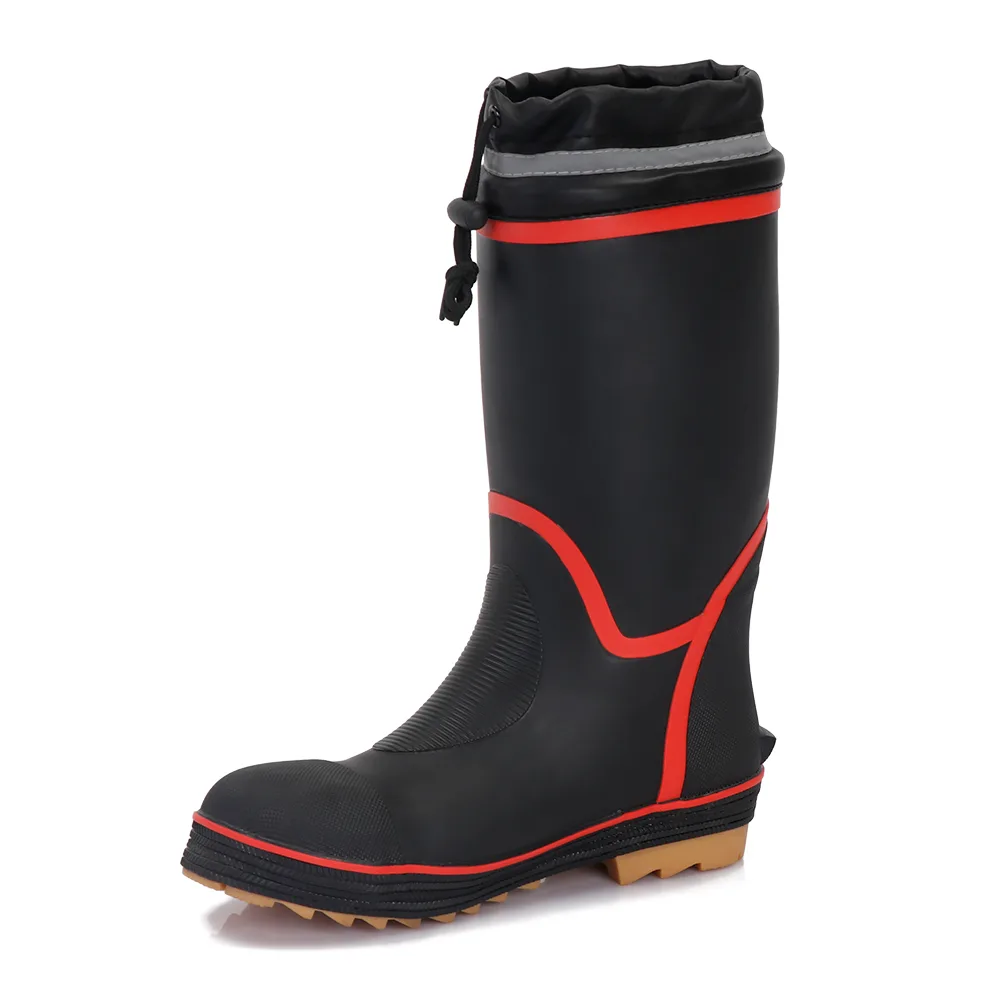
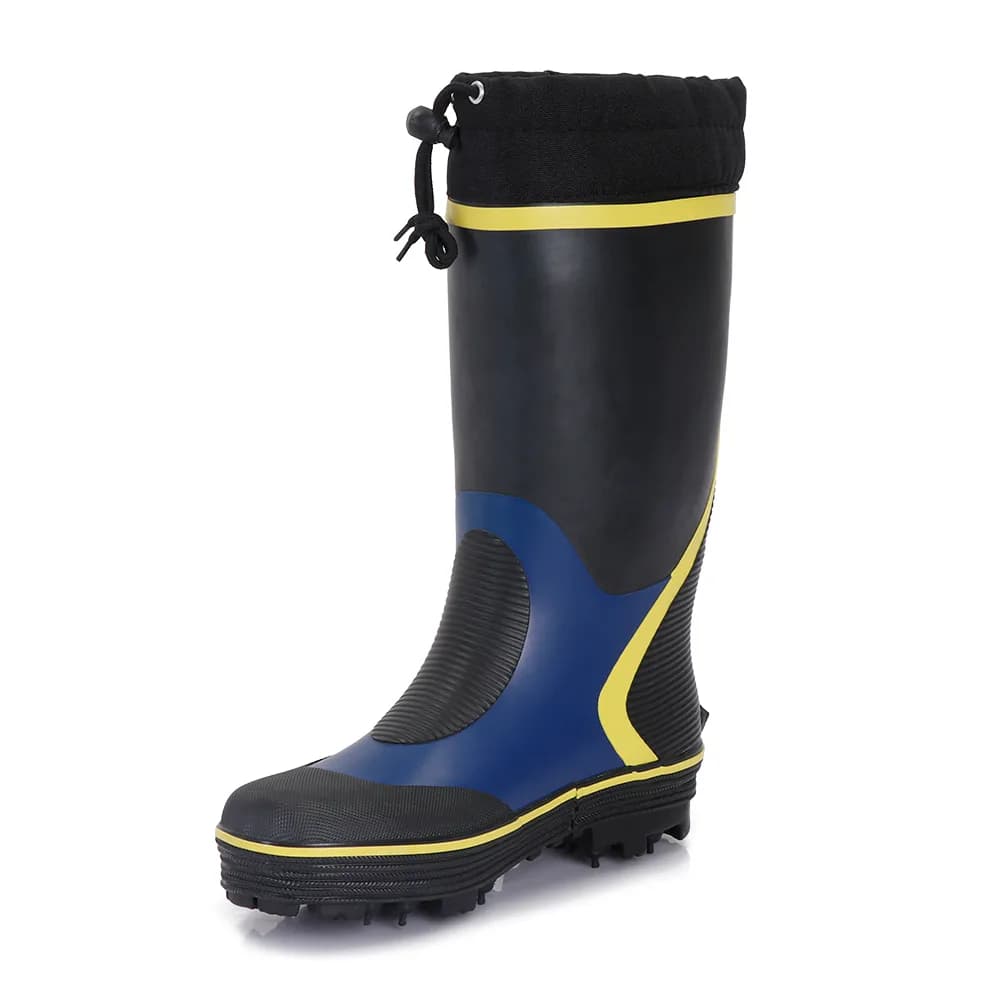
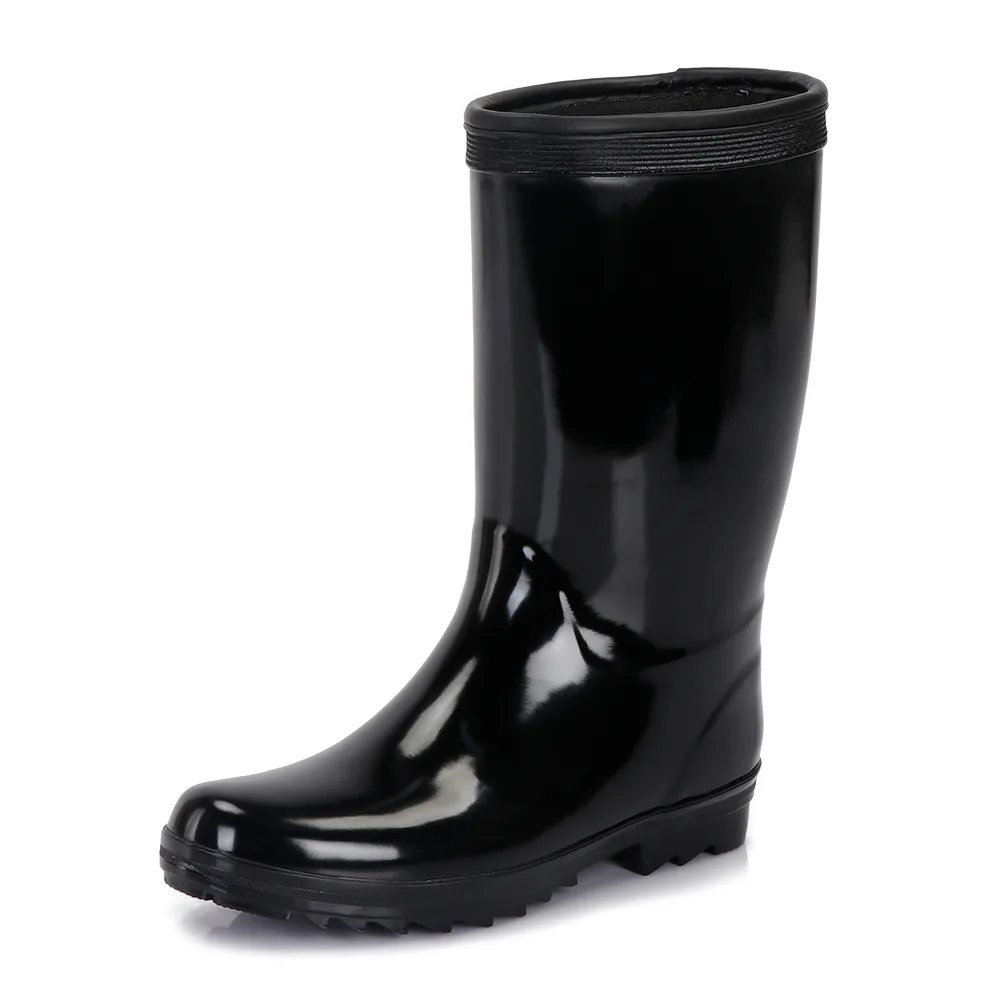
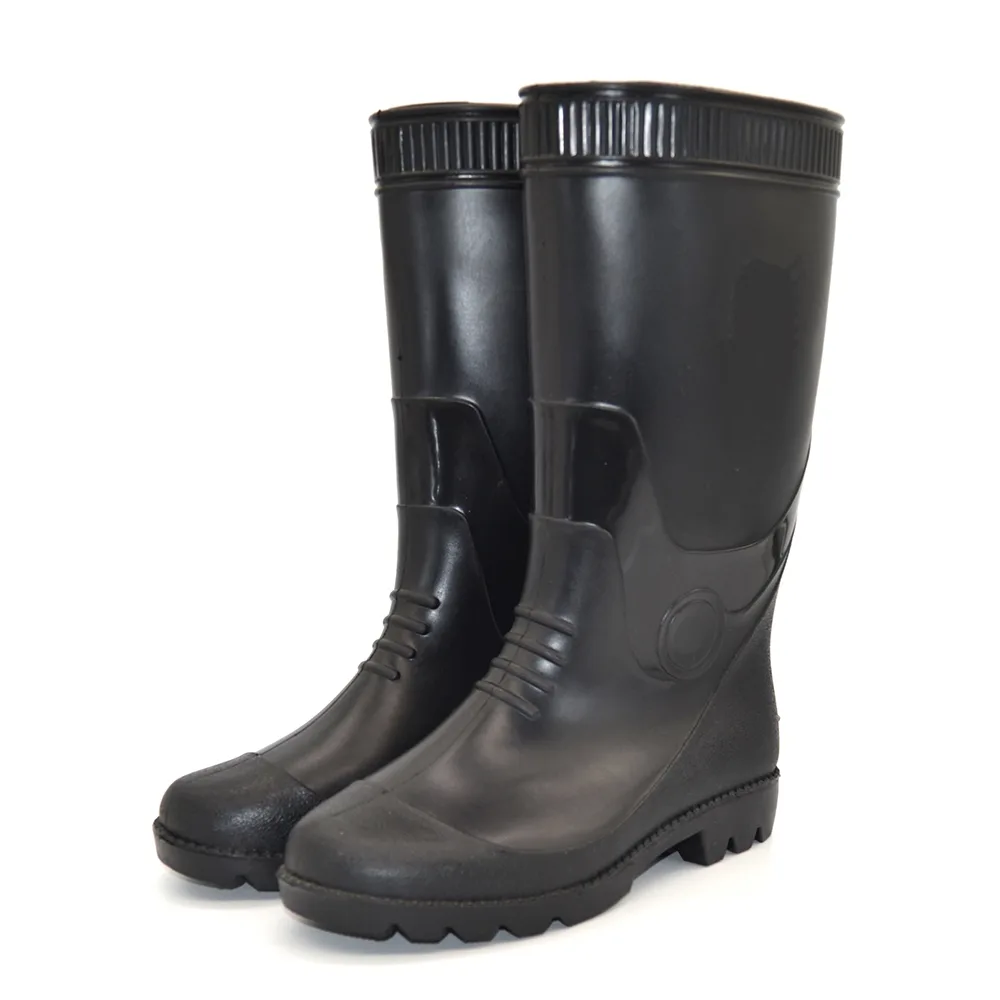
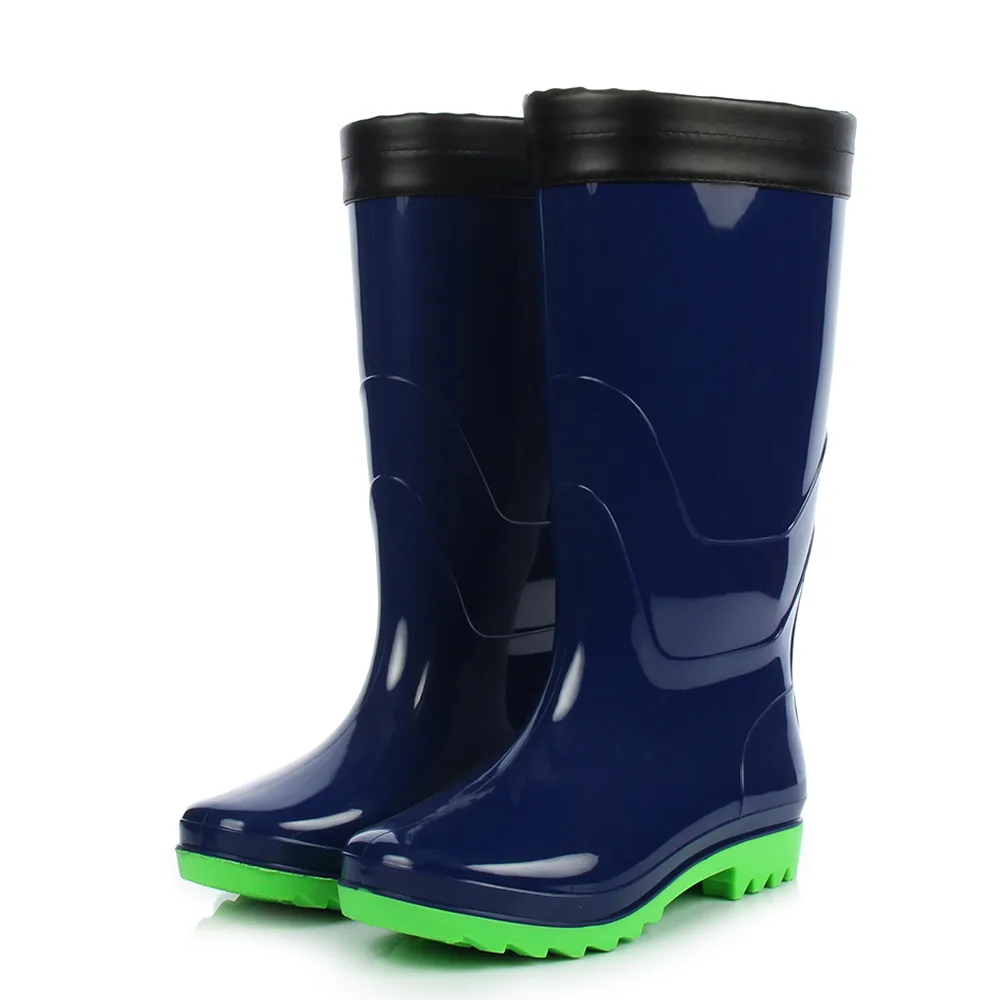
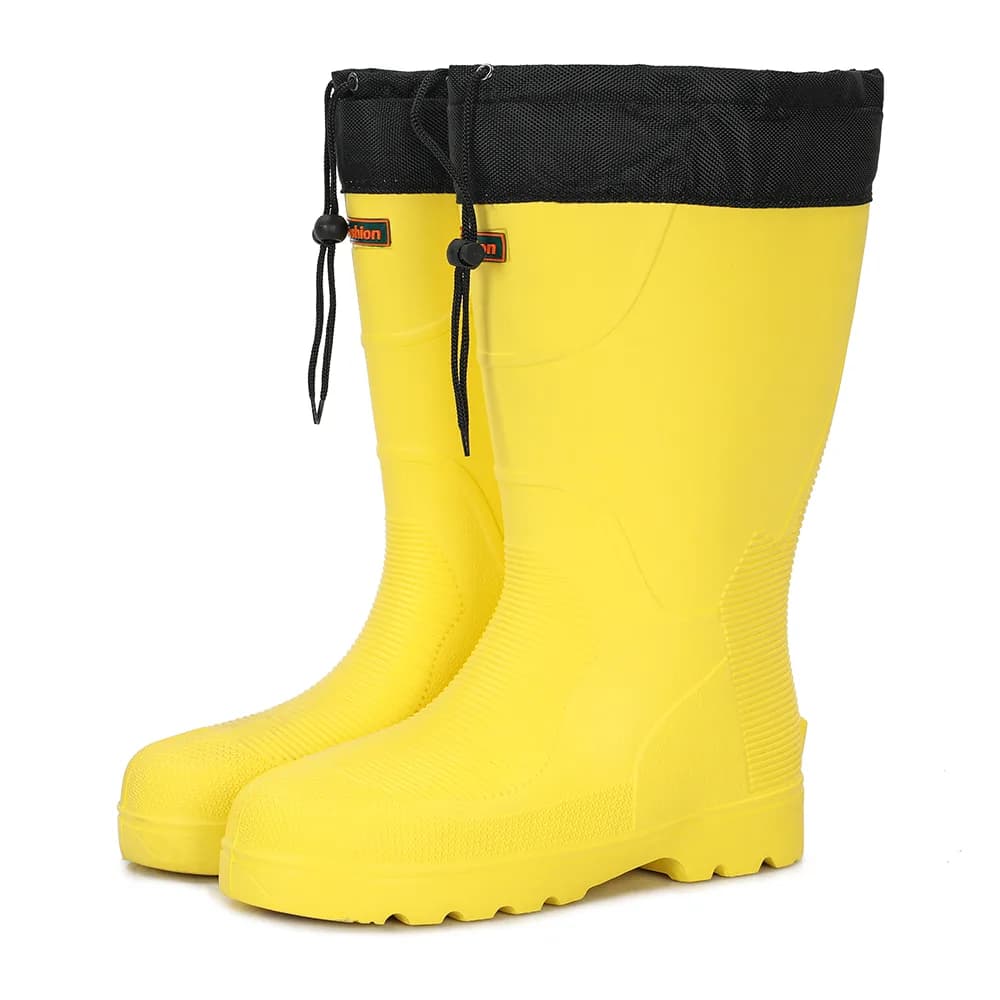
Fishery and aquaculture boots for wet seafood work areas

WORK APPLICATION

Fishery & Aquaculture

Work footwear selected around the environment, jobsite risks, and buyer requirements.Browse products

PRODUCT CATALOGUE

Products for Fishery & Aquaculture

Compare materials, protection levels, and OEM options before requesting specifications or a sample.
06 models

Protection optionsConfirmed by model and order

Material choicesRubber Boots, PVC boots, EVA Boots

OEM coordinationLogo, packing, and inspection

PRODUCT CATEGORY

Rubber boots

View more

PRODUCT CATEGORY

PVC boots

View more

PRODUCT CATEGORY

EVA boots

View more

BUYER GUIDANCE

Waterproof Fishery and Aquaculture Boots for Wet, Slippery Worksites

Fishery and aquaculture boots should be selected for the exact combination of water, mud, fish residue, cleaning chemicals, floor texture, shift length, and protection risk. PVC boots support easy-clean molded programs, rubber boots can provide flexible outdoor traction, and lightweight EVA boots may suit long wet shifts when the finished model's grip and protection are verified.

A product should not be approved from a generic slip-resistant or waterproof claim. Buyers should compare outsole evidence on the intended surface, inspect areas that can retain residue, confirm boot height and calf fit, and verify whether toe or penetration protection is required by the workplace risk assessment.

Reliable Safety Products, operated by Ruilabo, helps overseas PPE buyers compare existing models, define OEM details, approve samples, and coordinate production and packing follow-up. Send the work area, floor condition, contaminants, cleaning routine, required protection, size range, quantity, and destination market with the RFQ.

CONFIRM BEFORE RFQ

Traction for the Real Surface

Define the actual floor, contamination, cleaning method, and required test evidence before approving an outsole. Wet deck, mud, fish oil, and smooth washdown floors do not create the same traction requirement.

Material and Cleaning Routine

Compare PVC, rubber, and EVA by cleanability, flexibility, boot weight, lining, and exposure. Approve the exact compound, color, and surface finish on the production sample.

Fit and Protection by Job

Set boot height, calf fit, size grading, toe protection, penetration protection, and shift-comfort requirements from the job risk assessment and destination-market rules.

How to specify fishery and aquaculture boots

Short answer: start with the work surface, contaminants, cleaning routine, shift length, and protection risk. Then compare the finished boot's outsole, material, fit, cleanability, and supporting evidence before approving a sample.

Rubber work boots · PVC waterproof boots · Production quality follow-up · OEM customization

  • Describe whether workers use wet decks, pond edges, mud, concrete washdown floors, boats, or seafood processing areas.
  • List water, fish oil, organic residue, salt, detergents, disinfectants, and other substances that contact the boot.
  • Choose PVC, rubber, or EVA by finished-model performance rather than relying on material name alone.
  • Confirm outsole pattern, residue retention, slip-performance target, and cleaning access on the intended floor.
  • Approve boot height, calf opening, lining, sock allowance, size grading, and pair weight for the shift length.
  • Define toe protection, penetration protection, antistatic properties, and other requirements from the risk assessment.
  • Lock color, logo, labels, pair packaging, carton assortment, and inspection checkpoints before production.
Fishery and aquaculture boots for wet seafood processing areasWaterproof boots for aquaculture and fishery work environmentsFishery work boots for wet docks and aquaculture sites

Fishery and Aquaculture Boots FAQ

Which boot material is best for fishery and aquaculture work?

There is no single best material. PVC is often selected for smooth easy-clean molded boots, rubber for flexible outdoor traction, and EVA for low weight. Compare the finished model against the actual surface, contaminants, cleaning process, temperature, and protection requirement.

Are waterproof boots automatically slip resistant?

No. Waterproof construction controls water entry, while traction depends on the outsole compound, tread, floor, contamination, and test conditions. Require evidence relevant to the intended work surface.

What information should a fishery boot RFQ include?

Include the work area, floor type, contaminants, cleaning chemicals, temperature, shift duration, boot height, protection class, size range, quantity, branding, packaging, and destination market.

Do aquaculture boots need a safety toe?

Only where the workplace risk assessment and market rules require it. Toe protection, penetration resistance, antistatic properties, and other safety features must be confirmed for the offered model and order.

Can fishery work boots be customized for distributors?

Yes. Depending on the model and order, projects can define color, height, lining, outsole, logo, labels, pair packaging, carton marks, and size assortment before sample approval.

Still have questions?

Fill out the form with your details and inquiry. We will be happy to respond to your message.

FILL OUT THE FORM