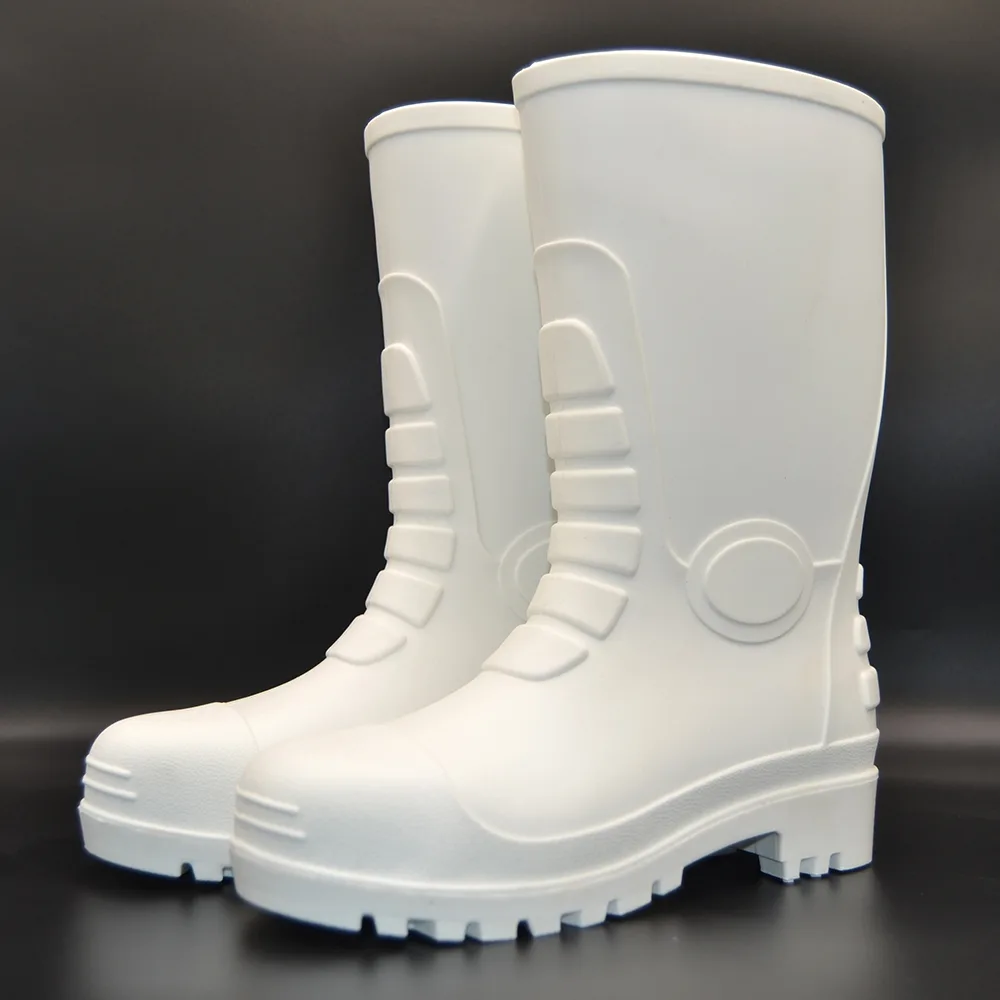
Food Processing Work Boot -XT_828
Food Processing Work Boot -XT_828 is a PVC work boot option for Food Processing. Use its recorded construction to define protection, sizing, branding and packing before sample approval.
View specifications
WORK APPLICATION
PRODUCT CATALOGUE
Protection optionsConfirmed by model and order
Material choicesPVC boots, EVA Boots, Safety shoes
OEM coordinationLogo, packing, and inspection
PRODUCT CATEGORY
Food Processing Work Boot -XT_828 is a PVC work boot option for Food Processing. Use its recorded construction to define protection, sizing, branding and packing before sample approval.
View specifications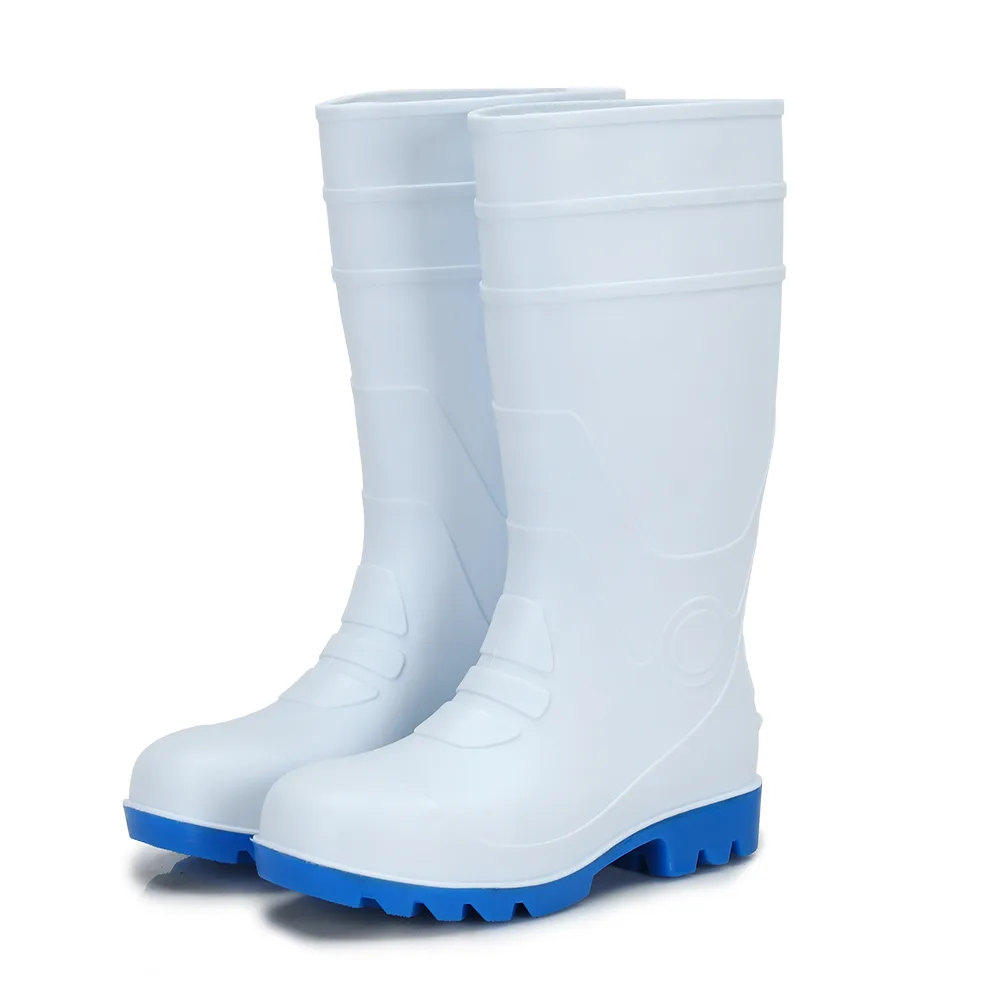
Food Processing Work Boot-LT_102 is a PVC work boot option for Food Processing. Use its recorded construction to define protection, sizing, branding and packing before sample approval.
View specifications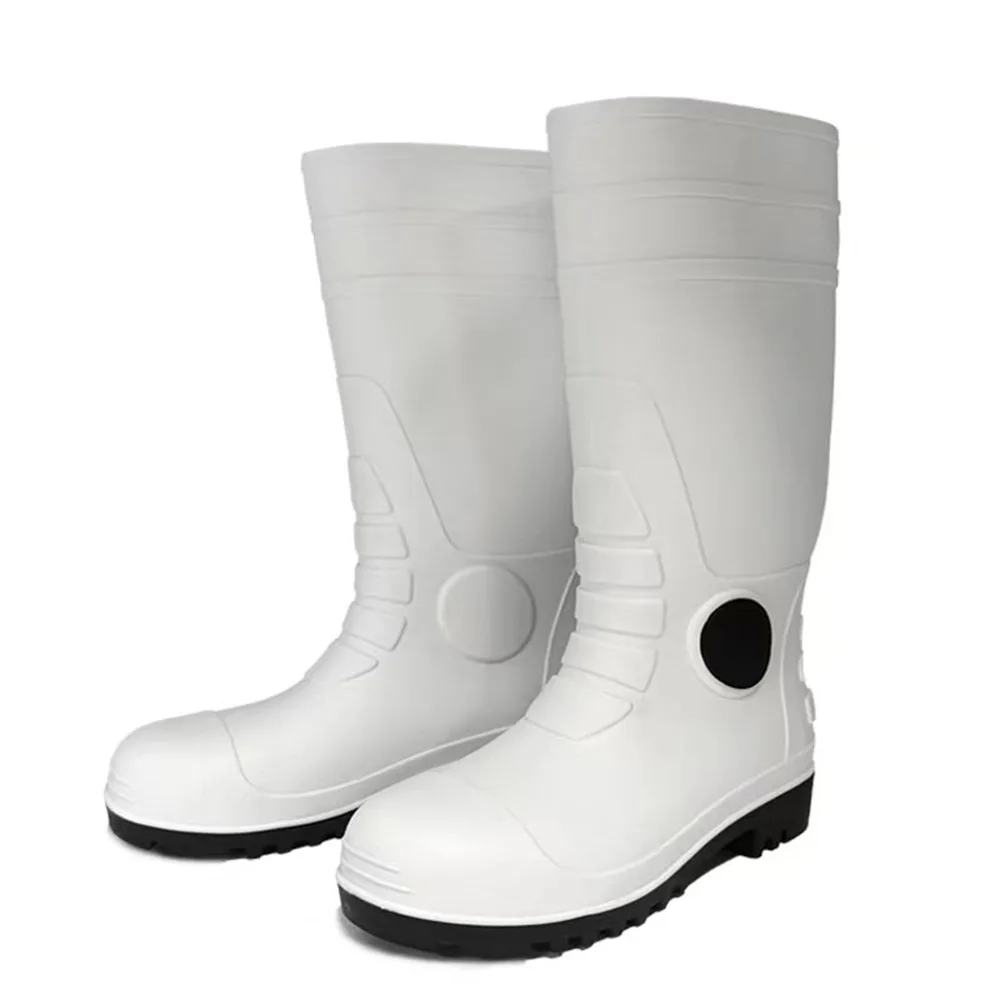
Food Processing Work Boot-LT_601 is a PVC work boot option for Food Processing. Use its recorded construction to define protection, sizing, branding and packing before sample approval.
View specifications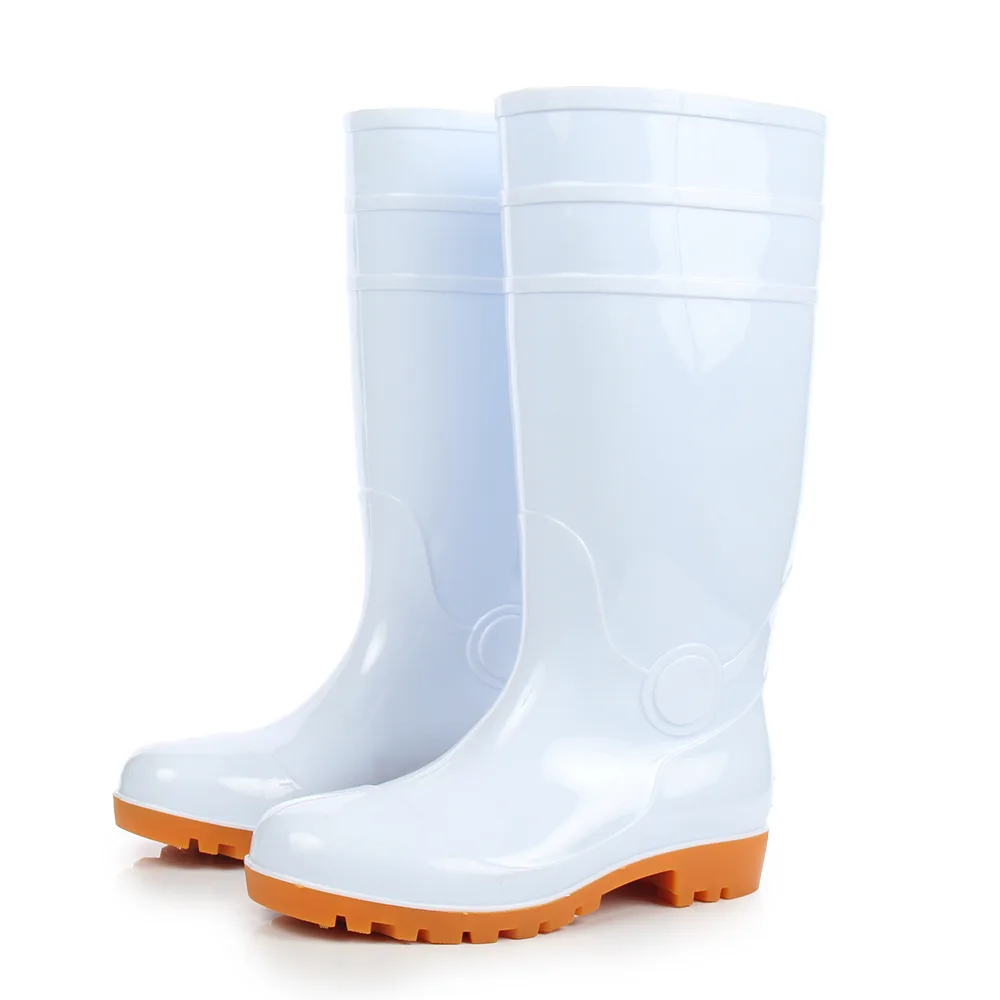
Food Processing Work Boot-XT_211 is a PVC work boot option for Food Processing. Use its recorded construction to define protection, sizing, branding and packing before sample approval.
View specifications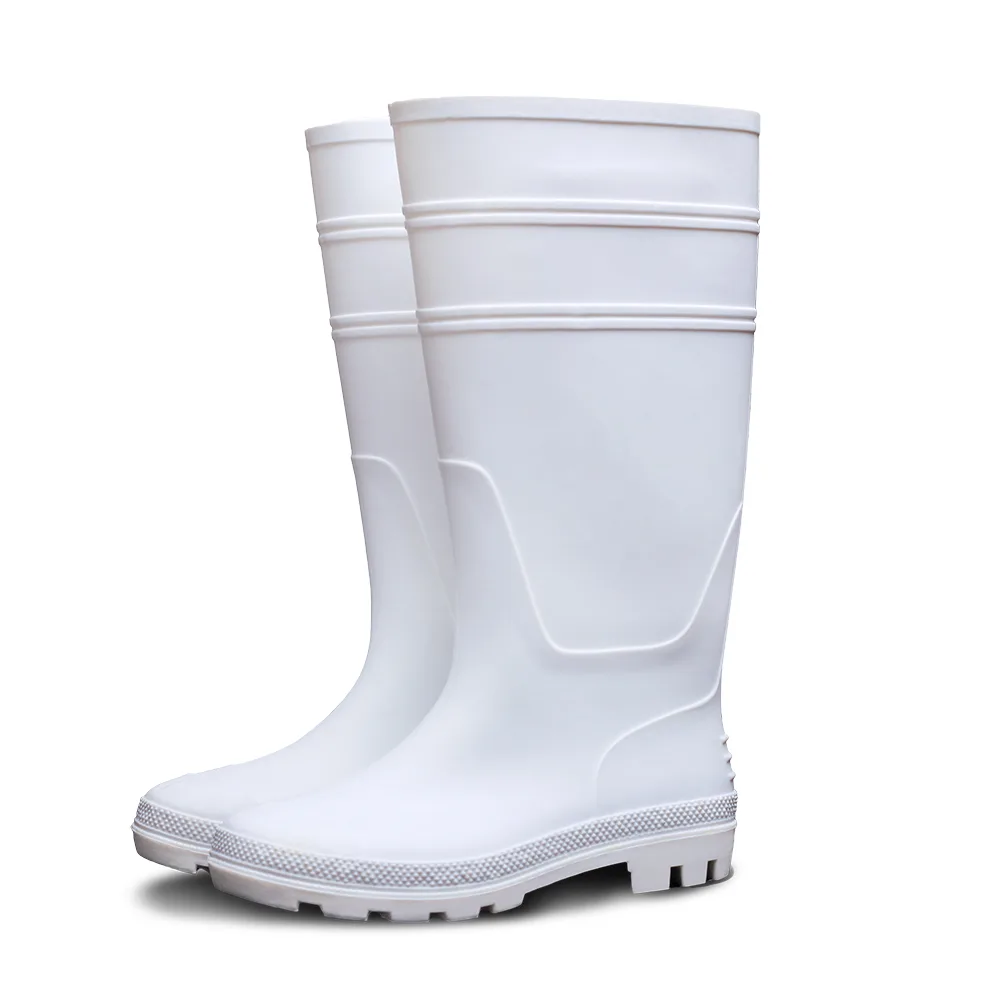
Food Processing Work Boot-XT_801 is a PVC work boot option for Food Processing. Use its recorded construction to define protection, sizing, branding and packing before sample approval.
View specificationsPRODUCT CATEGORY
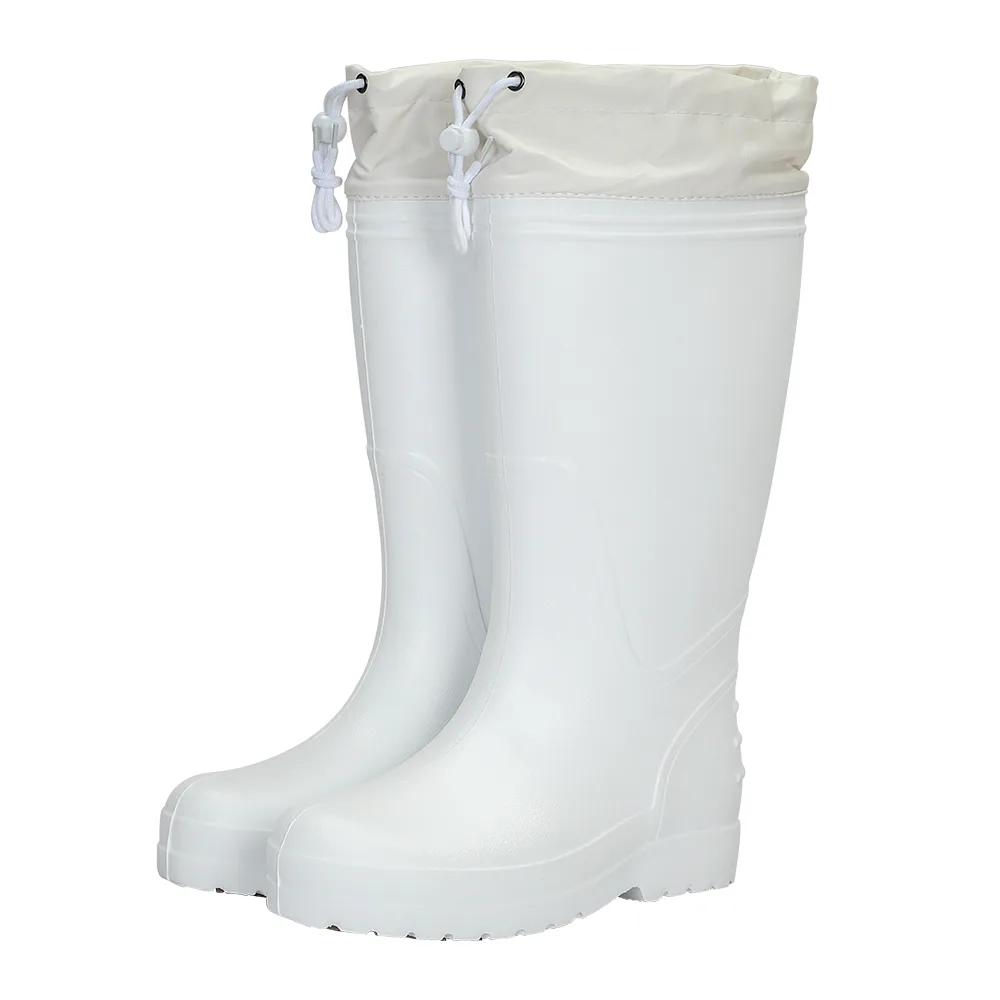
Food Processing Work Boot-XT-310 is an EVA work boot option for Food Processing. Use its recorded construction to define protection, sizing, branding and packing before sample approval.
View specifications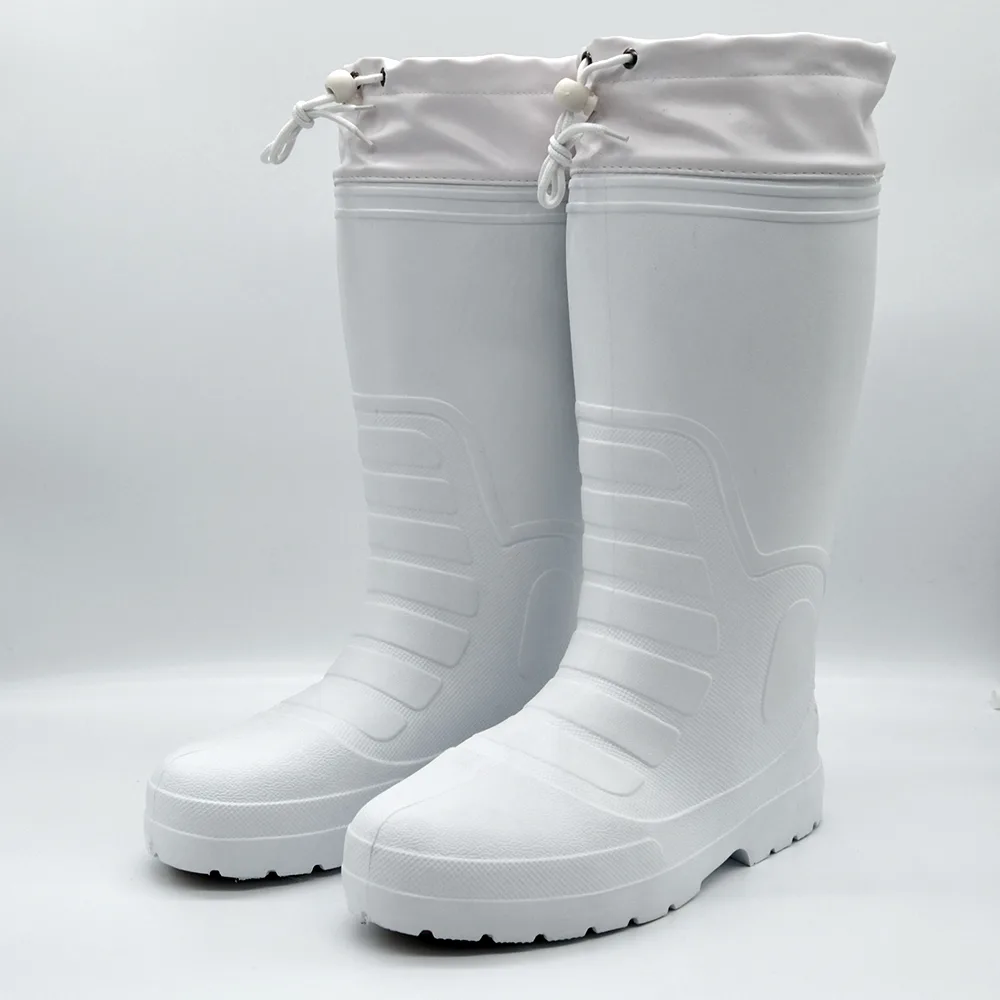
Food Processing Work Boot-XT-315 is an EVA work boot option for Food Processing. Use its recorded construction to define protection, sizing, branding and packing before sample approval.
View specificationsPRODUCT CATEGORY
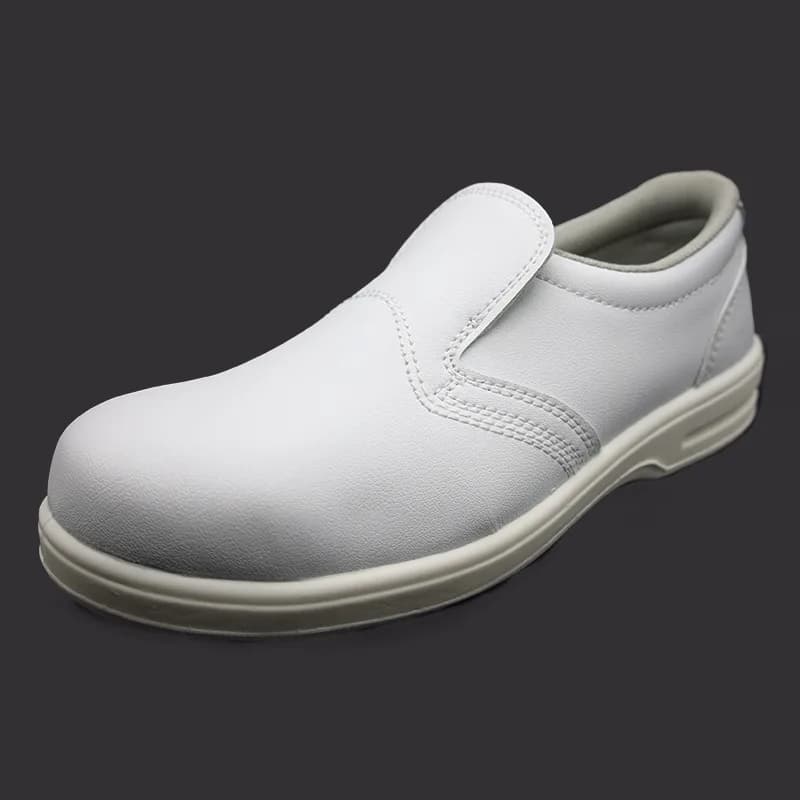
Food Processing Safety Shoes-RX-574 is a safety shoe option for Food Processing. Use its recorded construction to define protection, sizing, branding and packing before sample approval.
View specifications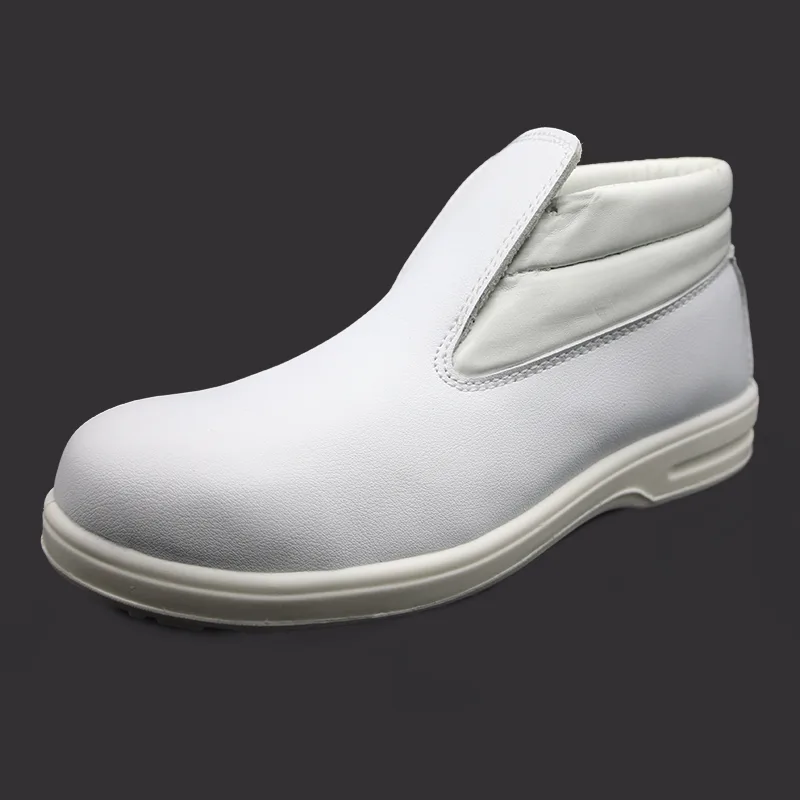
Food Processing Safety Shoes-RX-585 is a safety shoe option for Food Processing. Use its recorded construction to define protection, sizing, branding and packing before sample approval.
View specifications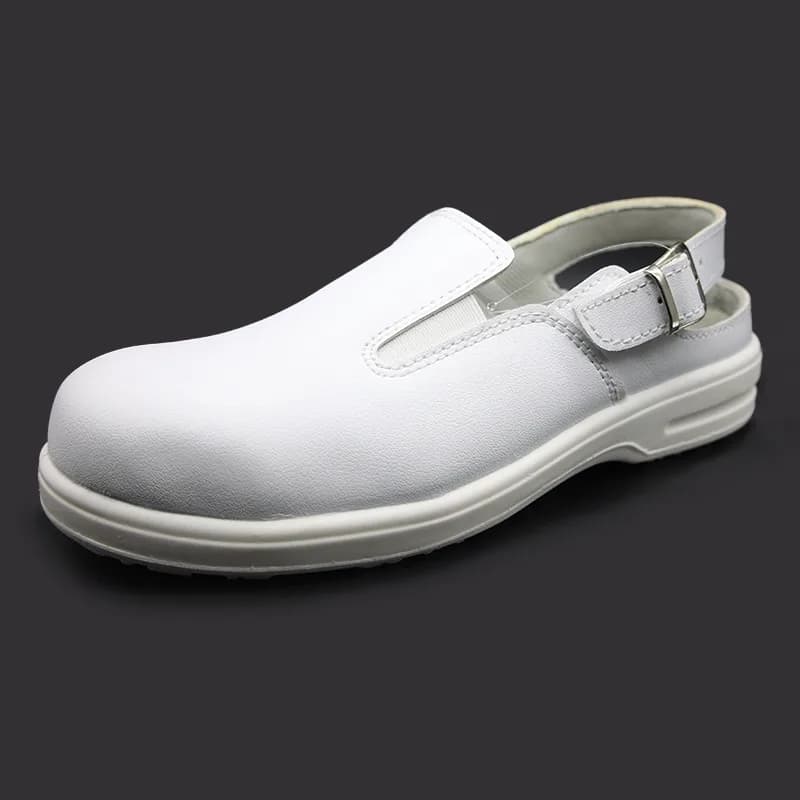
Food Processing Safety Shoes-RX-658 is a safety shoe option for Food Processing. Use its recorded construction to define protection, sizing, branding and packing before sample approval.
View specifications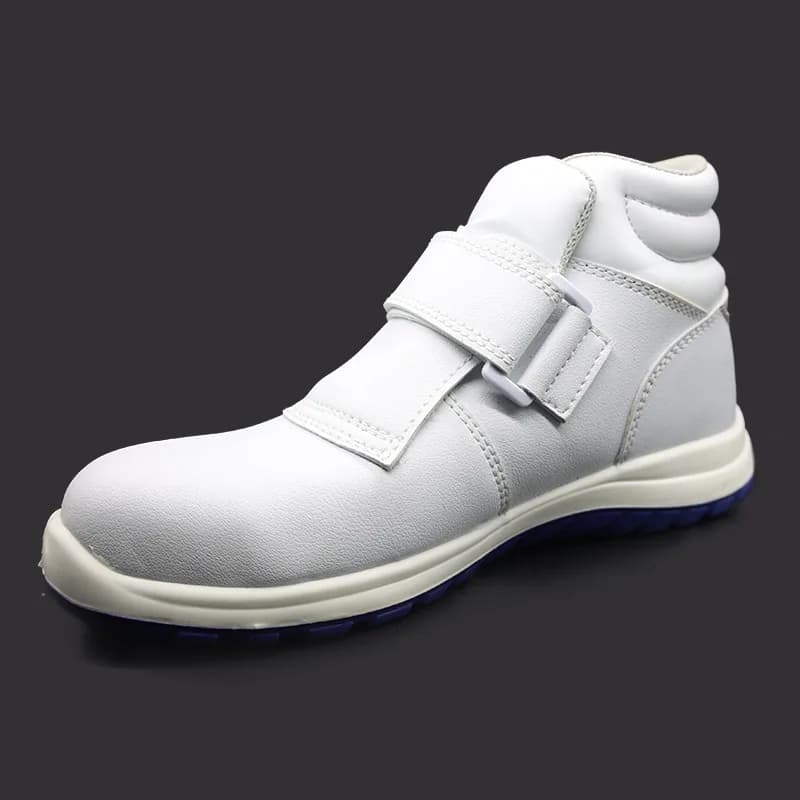
Food Processing Safety Shoes-RX-767 is a safety shoe option for Food Processing. Use its recorded construction to define protection, sizing, branding and packing before sample approval.
View specifications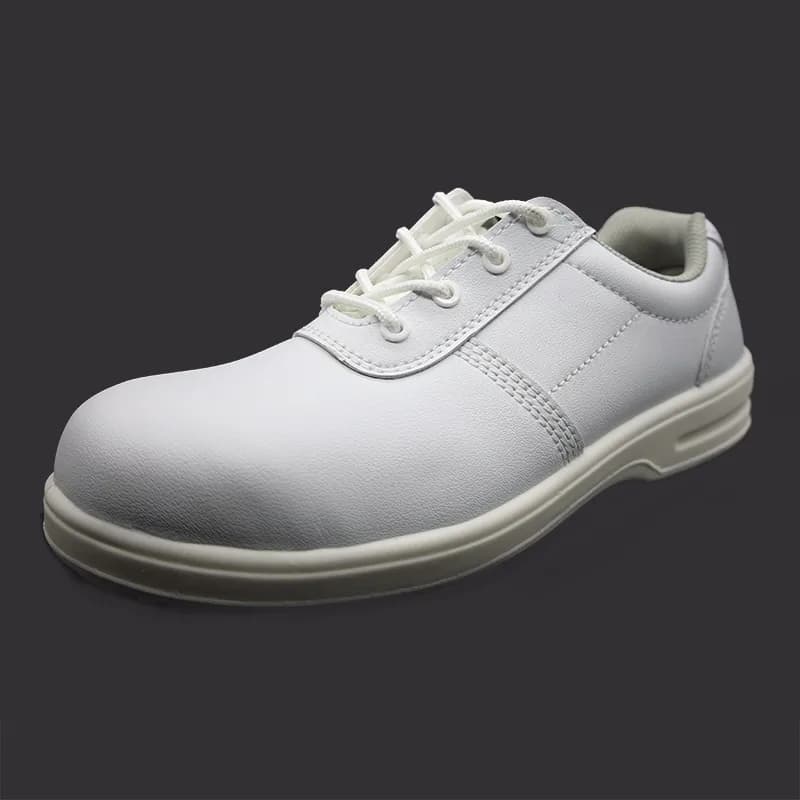
Food Processing Safety Shoes-RX-6250 is a safety shoe option for Food Processing. Use its recorded construction to define protection, sizing, branding and packing before sample approval.
View specifications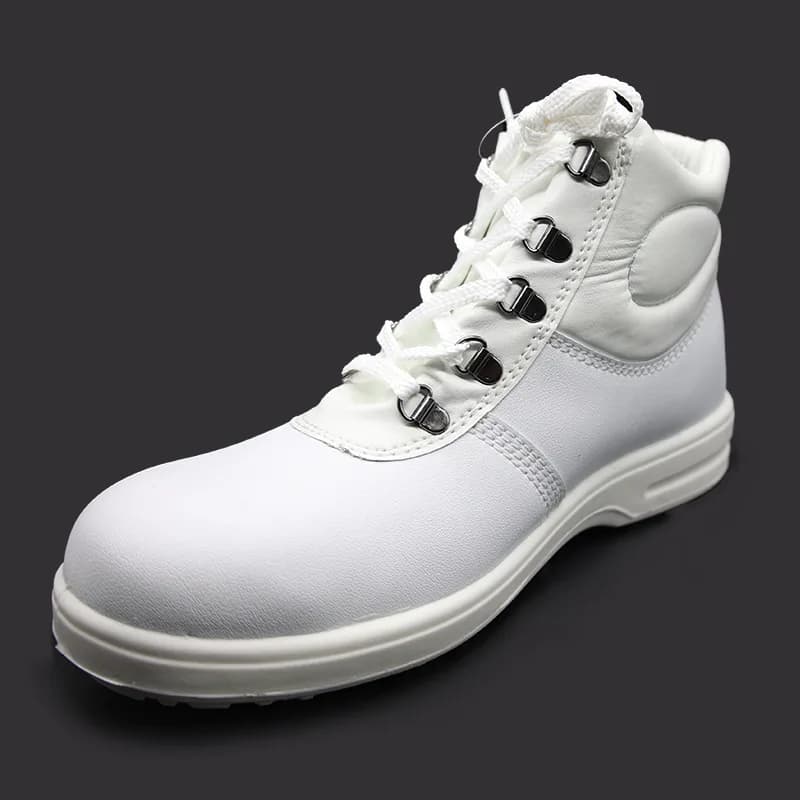
Food Processing Safety Shoes-RX-6260 is a safety shoe option for Food Processing. Use its recorded construction to define protection, sizing, branding and packing before sample approval.
View specificationsBUYER GUIDANCE
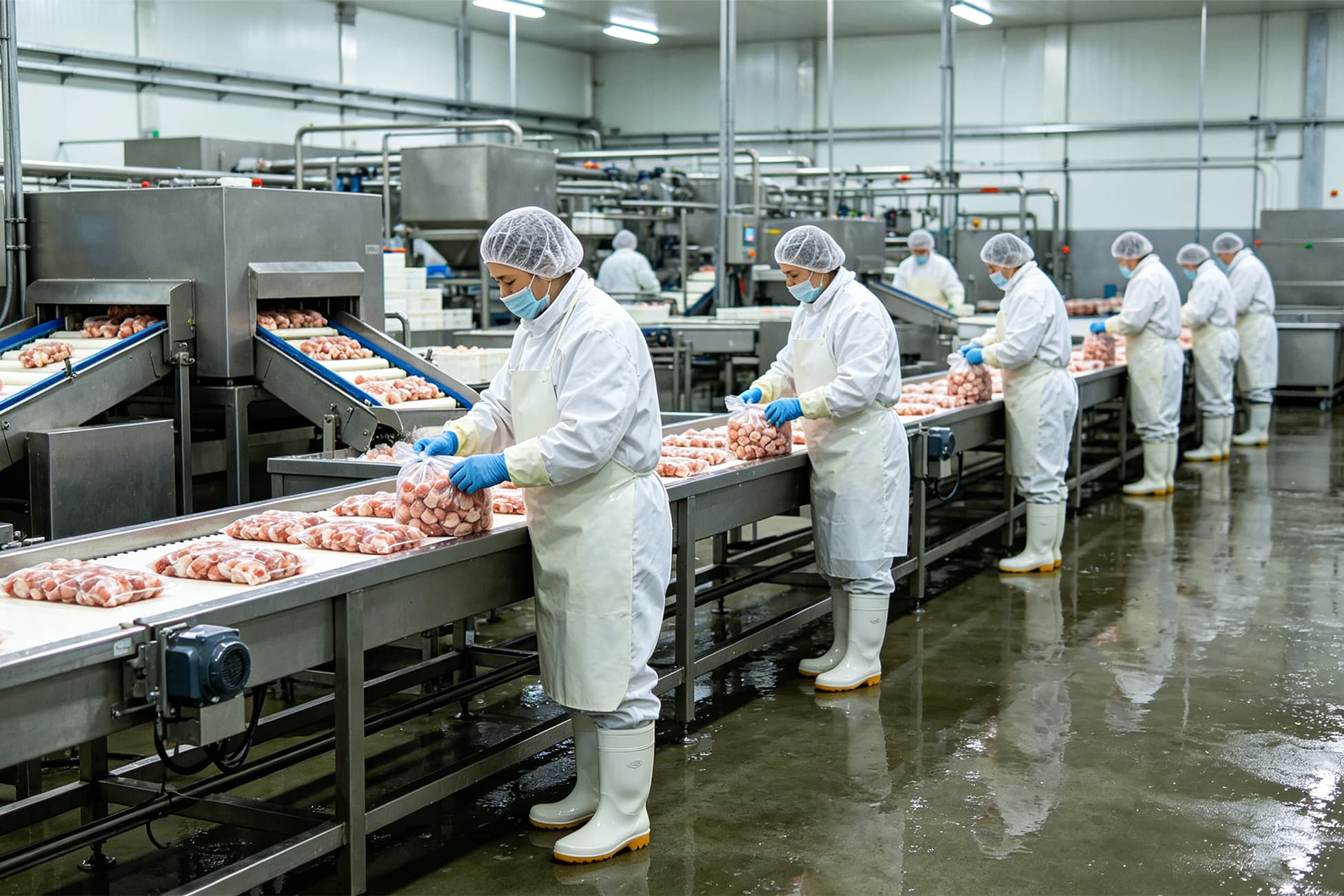
Food processing safety boots should be waterproof, easy to clean and selected for the actual floor, contamination, washdown chemicals, temperature and impact risk. White footwear supports visual hygiene checks, while color-coded boot programs can separate raw-material, high-care and maintenance zones.
Molded PVC boots are a common starting point for wet washdown and grease-exposed work. Lightweight EVA boots can suit long shifts or colder processing areas, while safety shoes may be appropriate in drier handling and packing zones. Material alone does not prove slip resistance or a safety category, so buyers should confirm the finished model's outsole evidence, protection package, lining and cleaning access.
Reliable Safety Products, operated by Ruilabo, helps overseas PPE buyers compare food-industry work boots, approve samples and coordinate production follow-up. Include the work area, floor, contaminants, cleaning routine, temperature, protection class, color policy, size range and packaging plan in the RFQ.
CONFIRM BEFORE RFQ
Define the real floor, water, oil or animal-fat contamination and cleaning state before setting a slip-performance target. Request evidence for the quoted finished outsole rather than accepting a generic slip-resistant claim.
Review tread depth, seams, lining edges and other areas that can retain residue. Approve the production sample against the plant's washdown method, detergent and hygiene-zone policy.
Set white or color-coded footwear, thermal lining, toe protection, penetration resistance and other requirements by work area. Confirm certification and markings for the exact model offered.
BUYER SELECTION MATRIX
| Work area | Footwear direction | Key checks | Buyer evidence |
|---|---|---|---|
| Wet washdown floor | Molded PVC food-processing work boot | Smooth cleanable upper, tread residue, water entry and detergent exposure | Approved sample cleaning trial and finished-model specification |
| Oil or animal-fat contamination | PVC boot or safety footwear with application-matched outsole | Floor material, contamination state, tread and outsole compound | Relevant slip-test scope plus a trial on the intended floor |
| Cold food room or ice plant | Lined EVA or PVC waterproof boot | Temperature, exposure time, lining, fit and outsole flexibility | Model-specific temperature evidence and approved lined sample |
| High-care or color-controlled zone | White safety boot or color-coded waterproof boot | Color standard, transfer between zones, labels and cleaning routine | Approved color master, zone plan and packaging identification |
| Handling, packing or impact-risk area | Protected safety boot or safety shoe | Toe, penetration, antistatic and comfort requirements | Risk assessment plus certificate and report scope for the exact model |
Food processing footwear should be selected for cleaning routines, wet floor risk, grease exposure, color-coded zones and long-shift comfort. Buyers should confirm these details before approving the sample.
PVC food-processing boot options · Quality follow-up · Certification support
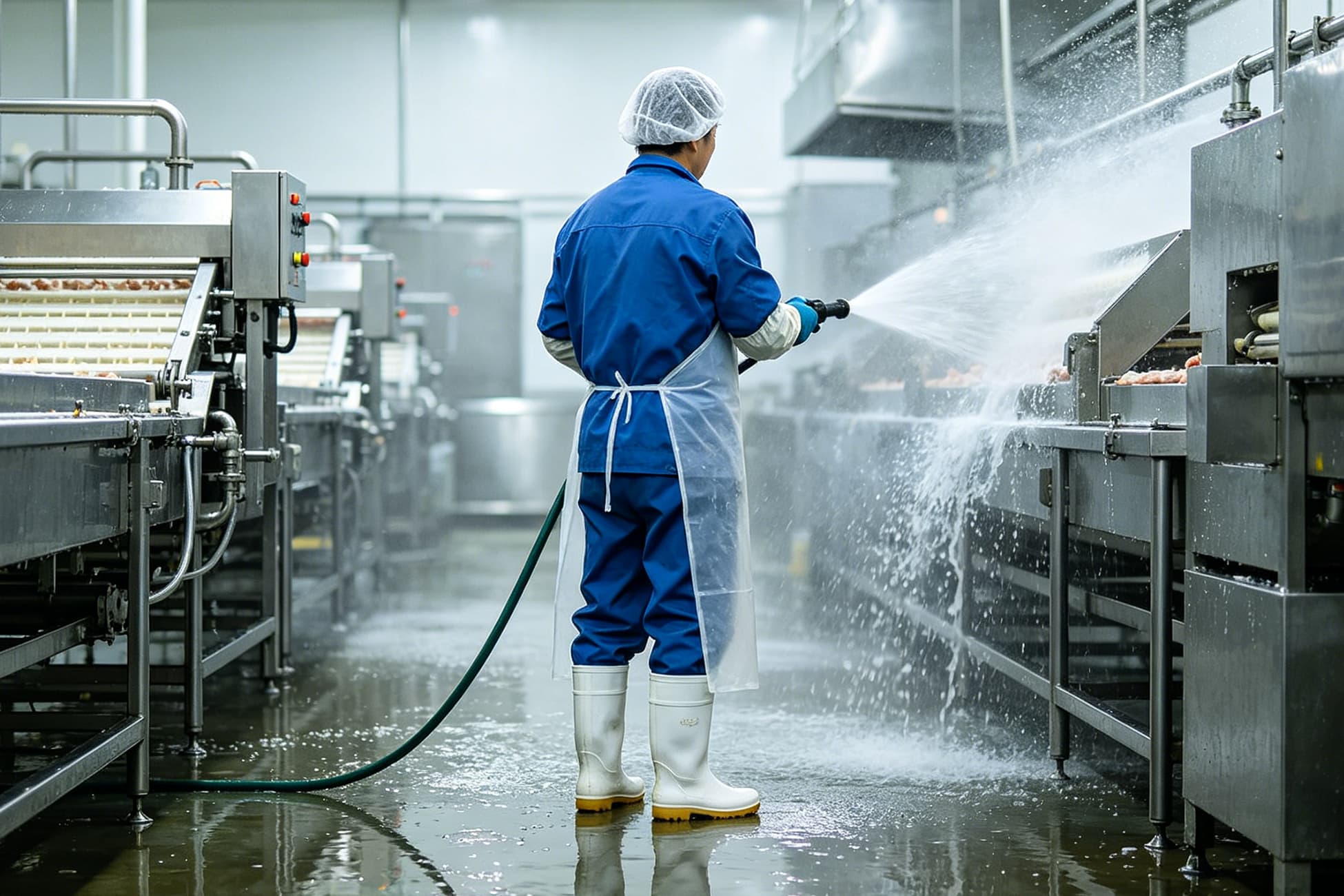
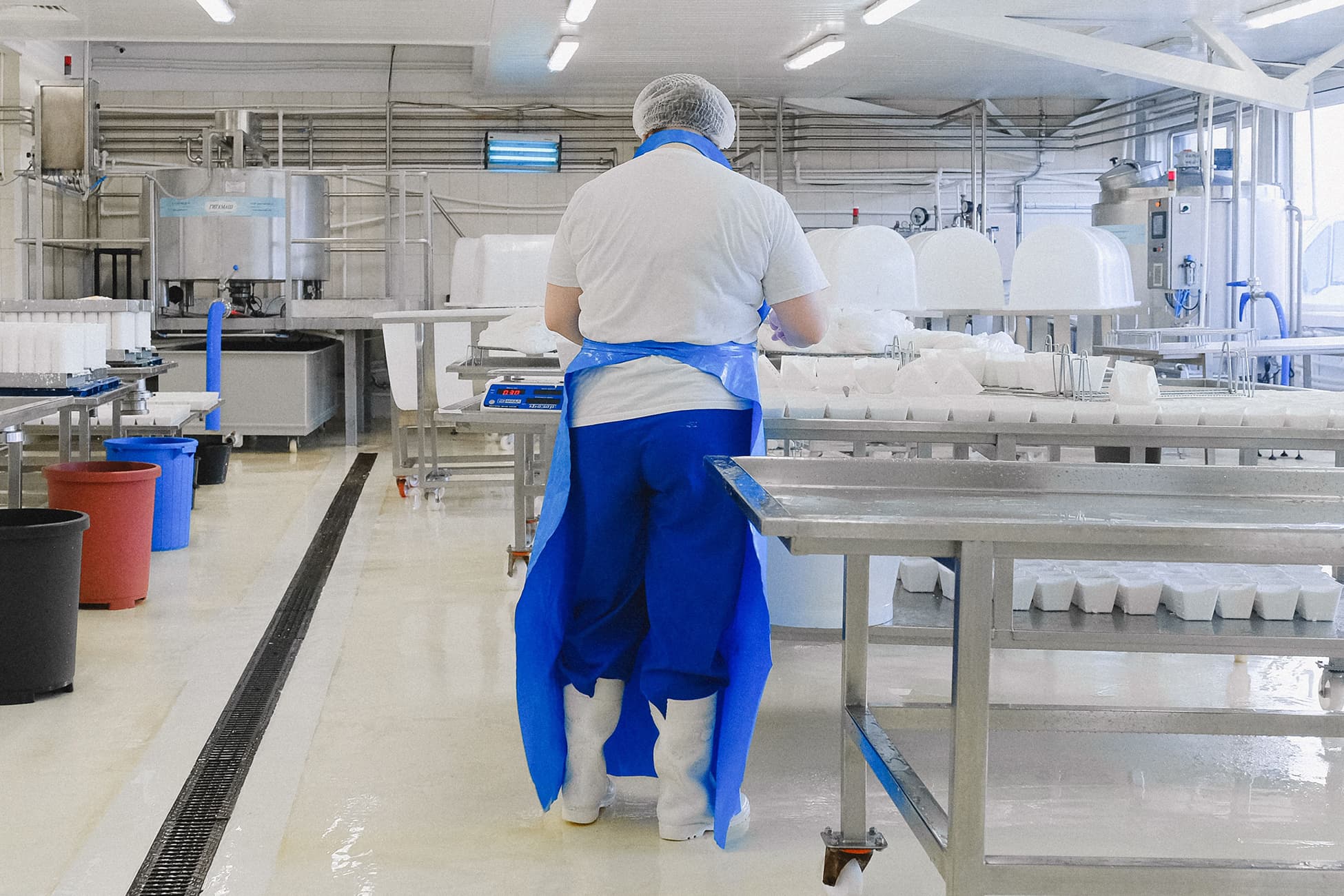
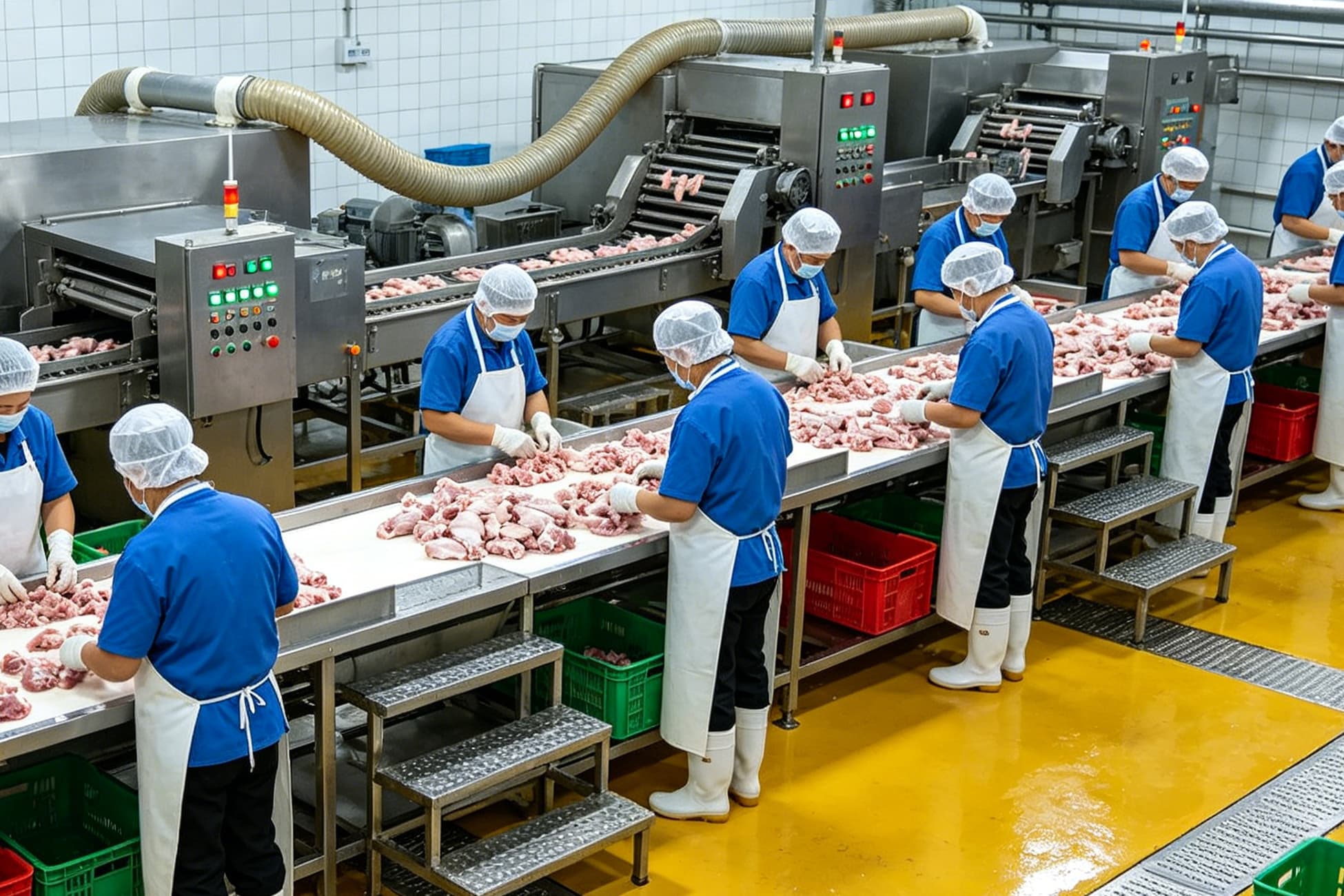
Waterproof PVC and EVA boots are common choices because they are easy to clean, suitable for wet floors and can be developed with toe protection, slip-resistance targets and color-coded designs.
White is common because it helps visual hygiene control, but buyers can also use color-coded boots for different production zones. The final color should follow the plant's hygiene and safety system.
Confirm washdown frequency, grease exposure, floor type, safety level, lining, outsole pattern, packaging and replacement schedule before sample approval.
Fill out the form with your details and inquiry. We will be happy to respond to your message.
FILL OUT THE FORM