
Wet construction and industrial work environment for waterproof work boot selection

Material selection guide

PVC vs EVA vs Rubber Work Boots: How B2B Buyers Should Choose

Short answer

Choose the material by work risk, not only by price

B2B buyers should choose PVC boots when they need waterproof industrial footwear with strong price control, EVA boots when low weight and cold-weather comfort matter, and rubber boots when traction, flex and outdoor durability are the main requirements.

Reliable Safety Products, operated by Ruilabo, helps overseas PPE buyers compare PVC, EVA and rubber work boots by application, safety category, OEM customization, sample approval, quality follow-up and export preparation before bulk production.

Material overview

The Three Common Waterproof Work Boot Materials

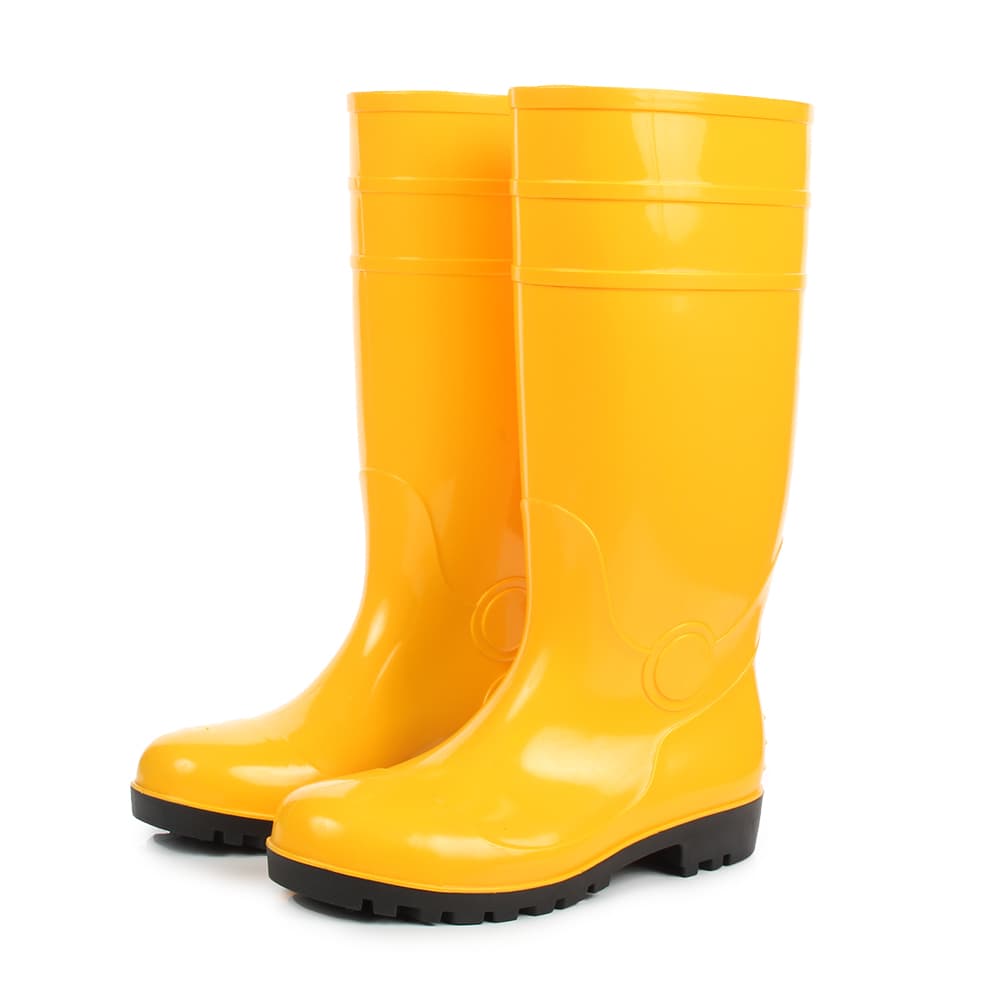
Waterproof PVC safety rain boots for wet industrial work

PVC boots

PVC for washdown, wet work and value programs

PVC is usually the practical choice for waterproof work boots where buyers need stable molding, easy cleaning, color control and competitive bulk pricing.View PVC boots
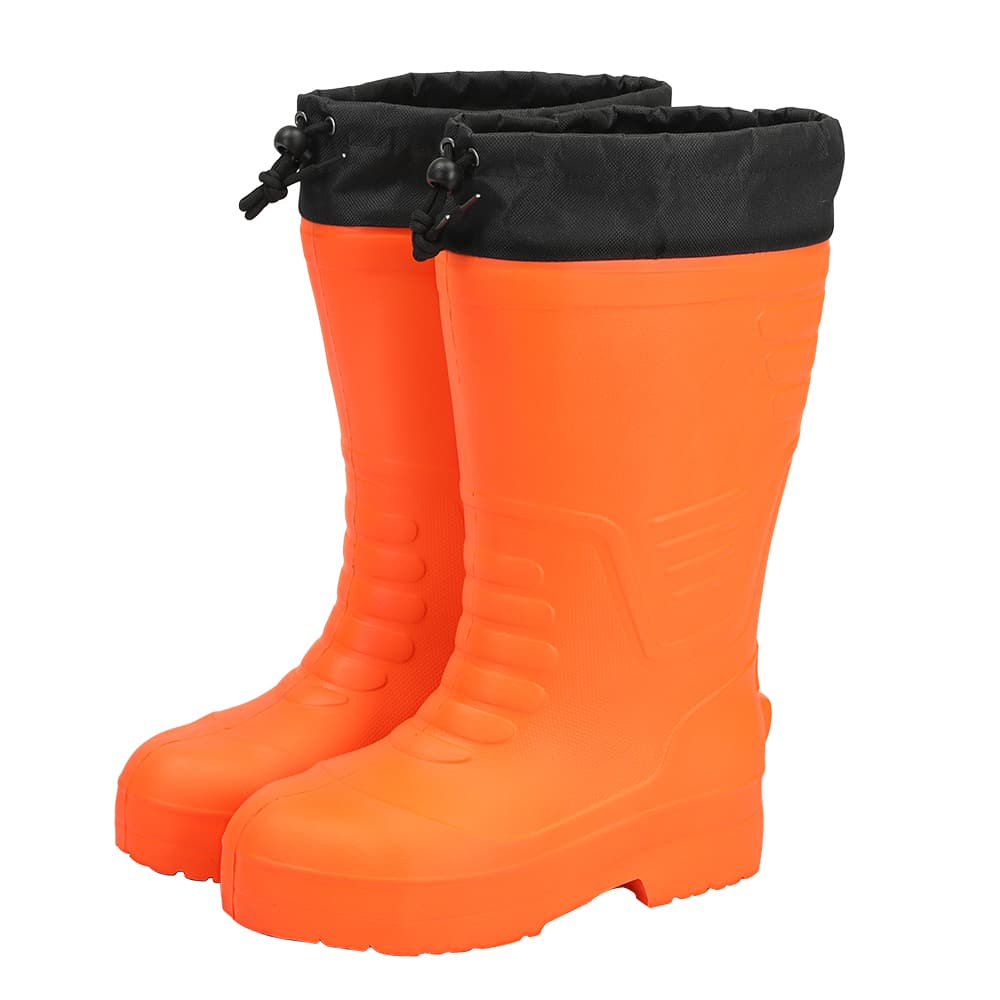
Lightweight EVA boots for cold storage and winter work

EVA boots

EVA for lightweight comfort and cold conditions

EVA is selected when low weight, cold flexibility and comfort matter most, especially for long shifts, cold storage, fishery, farming and winter markets.View EVA boots
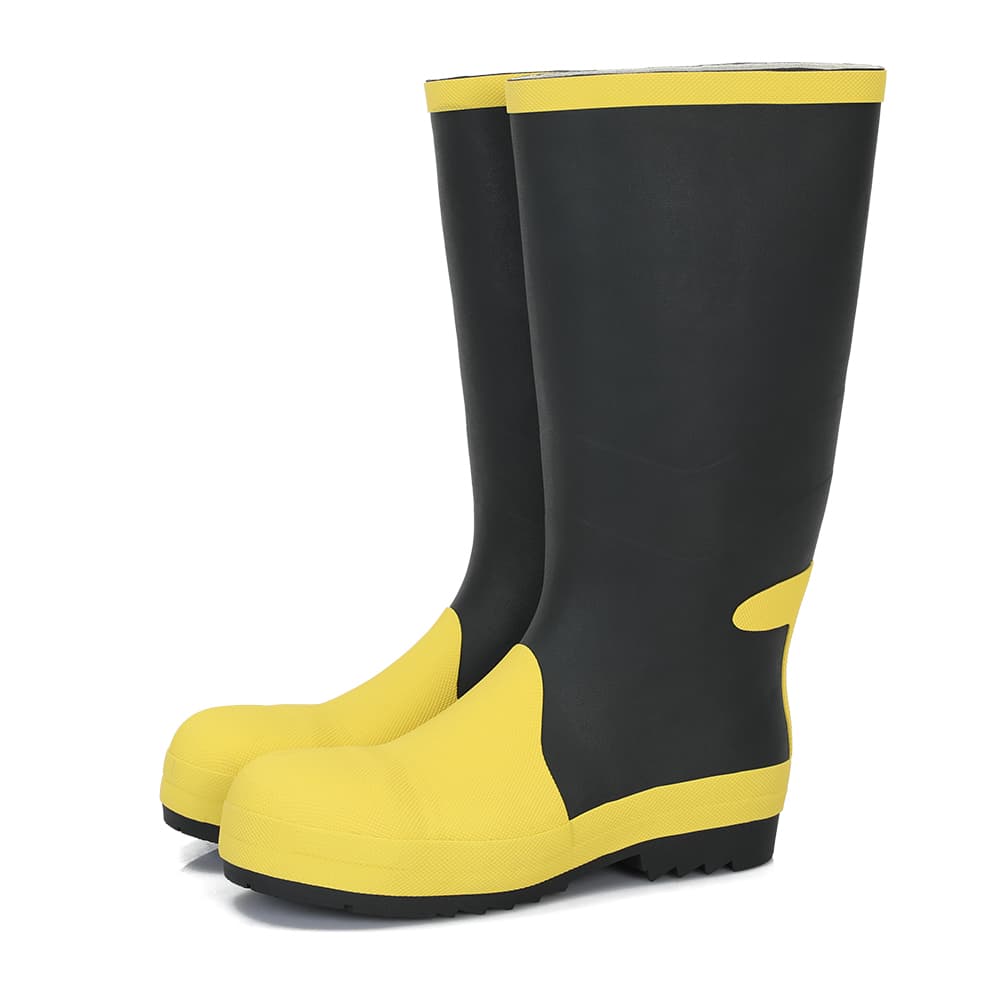
Rubber work boots for outdoor traction and rough ground

Rubber boots

Rubber for traction, flex and demanding outdoor use

Rubber is often preferred for rough outdoor use where traction, flex, surface grip and upper durability are more important than the lowest unit cost.View Rubber boots

Decision table

PVC, EVA and Rubber Boot Selection Table

MaterialChoose whenBuyer notes
PVCThe order needs waterproof work boots for food processing, cleaning, construction, agriculture or general wet industrial use with a strong price-performance balance.Confirm compound hardness, boot height, outsole pattern, safety toe, midsole, color, logo and carton packing before sampling.
EVAThe market values lighter footwear, cold-weather comfort, removable warm liners, easy wearing and reduced fatigue during long shifts.Check material density, lining design, low-temperature flexibility, outsole support and size grading. EVA can feel comfortable, but the formula still needs structure.
RubberWorkers face muddy ground, rough outdoor surfaces, fishery, agriculture, rescue, construction yards or repeated abrasive use.Review rubber formula, upper thickness, vulcanization quality, tread depth, flex points, lining and odor control. Rubber programs need closer sample control.

This table is a sourcing guide, not a fixed rule. The final choice should be checked against real samples, safety standards, target market feedback and bulk-production inspection requirements.

Performance comparison

How Each Material Performs in a B2B Order

FactorPVCEVARubberBuyer action
WeightModerate. Usually heavier than EVA, lighter than many rubber boots.Very light in comparable boot constructions.Usually heavier, depending on formula and boot height.Ask for sample pairs in the target boot height and size range, not only material swatches.
Comfort and flexibilityGood for general wet work when the compound is tuned correctly.Strong comfort advantage for long wear and cold environments.Good flex and foot feel when the rubber compound and lining are controlled.Match the boot to actual shift length, surface type and temperature instead of choosing only by catalog photo.
TractionReliable for washdown floors and general wet surfaces with the right outsole.Can be anti-slip, but deep outdoor traction depends heavily on outsole design.Often strongest for mud, rough ground and repeated outdoor movement.Specify tread pattern, outsole hardness and slip test needs before sample approval.
DurabilityStable for many industrial programs and easy to clean.Good for lightweight programs, but not the default for abrasive sites.Strong for demanding outdoor use when production quality is consistent.Confirm abrasion, flex, bonding, upper thickness and return-complaint expectations for the target channel.
Safety optionsCommonly used for S4 and S5 waterproof safety boots.Selected programs can add safety toe and midsole options.Can support S4/S5-style safety boots and specialist high-cut designs.Link the material decision to EN ISO 20345 category, toe cap, midsole, antistatic and outsole needs.
OEM customizationGood for color, logo, lining, outsole and packing control.Good for clean color programs and lightweight private-label lines.Good for molded texture, panels, outsole design and specialist styles.Lock logo method, color tolerance, carton marks and packaging before bulk production.

Use cases

Which Boot Material Fits Each Work Environment?

Food processing and cleaning

PVC or S4/S5 PVC

Waterproof structure, easy cleaning, stable cost and safety options fit wet indoor or washdown work.

Cold storage and winter work

EVA with warm lining

Low weight and cold flexibility help reduce fatigue in freezing warehouses and winter outdoor programs.

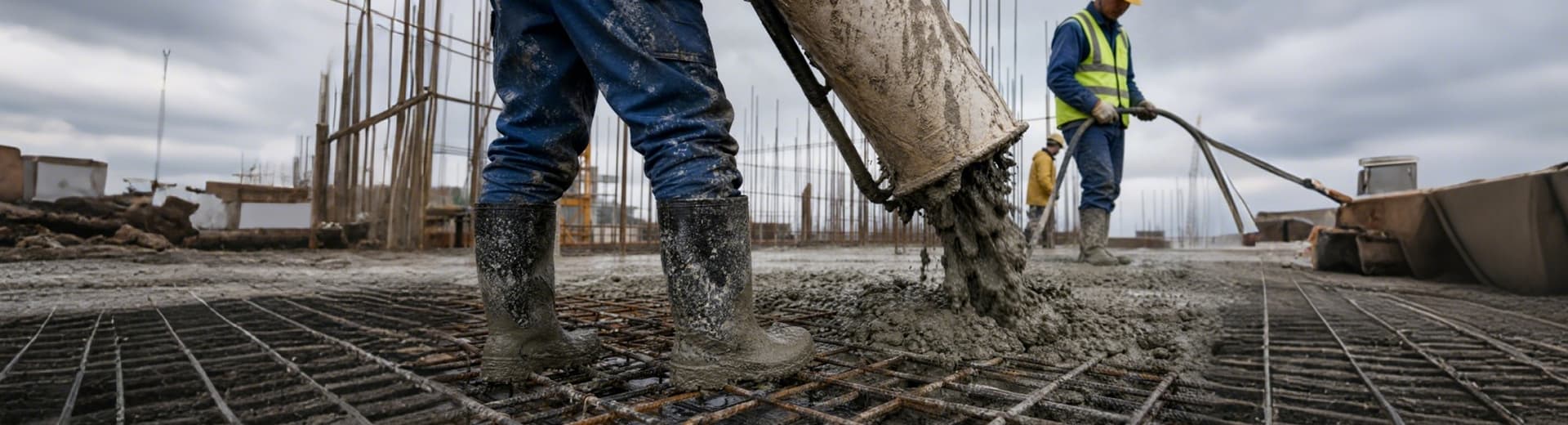
Construction, mud and outdoor yards

Rubber or S5 PVC

Rubber supports traction and flex on rough ground; S5 PVC can work when price and certification alignment are stronger drivers.

Fishery, aquaculture and farming

EVA or rubber

EVA helps with long-wear comfort; rubber helps with grip, flex and repeated contact with wet outdoor surfaces.

Tender or regulated PPE orders

Material decided by risk level

If toe impact, puncture, antistatic or standard requirements matter, the material must be selected together with the safety category.

Buyer process

A Practical Material Selection Process

  1. Define the real work environmentStart with the work environment: wet floor, mud, cold storage, oily surface, food production, farm field, construction site or warehouse.
  2. Rank the performance prioritiesDecide whether weight, traction, cold flexibility, abrasion resistance, safety certification or target price is the main buying constraint.
  3. Match material with safety requirementsConfirm EN ISO 20345 category needs, such as S4 or S5 for waterproof safety boots, before locking the material and outsole design.
  4. Use the sample as the control standardApprove a sample with material, color, outsole, logo, size range, lining, packaging and carton mark details before bulk production.
  5. Control production follow-upCheck production with raw material review, in-line inspection, final inspection and packaging control so the bulk order follows the approved sample.

Procurement risk

Common Mistakes When Comparing PVC, EVA and Rubber Boots

  • Choosing only by unit price without checking material density, outsole hardness or expected complaint risk.
  • Using one boot material for every market even when climate, surfaces and work habits are different.
  • Asking for S4 or S5 certification after the sample is already developed instead of planning the standard first.
  • Approving a color or logo sample but ignoring packing, size sorting, carton marks and loading details.
  • Comparing PVC, EVA and rubber boots without testing actual sample pairs in the target size range.

Reliable Safety support

How We Help Buyers Turn the Material Decision Into Production

OEM project setup

We help buyers turn material requirements into sample specifications covering compound, outsole, lining, safety level, color, logo and packaging.

OEM customization

Certification planning

For safety footwear projects, we help align material choice with EN ISO 20345 categories, CE testing and third-party laboratory coordination.

Certification support

Production follow-up

Approved sample control, in-line checks, final inspection and packaging review help keep bulk production aligned with the buyer's requirement.

Quality follow-up

Factory matching

Reliable Safety Products, operated by Ruilabo, connects material choice with specialized China partner factories for PVC, EVA and rubber boots.

Factory coordination

FAQ

PVC, EVA and Rubber Work Boot Questions

Are PVC boots better than EVA or rubber boots?

PVC is often the best starting point for waterproof industrial work boots when buyers need stable bulk pricing, easy cleaning, color control and S4 or S5 safety options.

When should buyers choose EVA boots?

EVA boots are usually much lighter than comparable PVC or rubber boots. They are useful for cold storage, winter work, fishery, farming and long-shift comfort programs.

Why choose rubber work boots?

Rubber boots are often selected for outdoor traction, rough ground, mud, abrasion and flex. They can cost more and need careful sample control, but they are strong for demanding use.

Which material is best for S4 or S5 safety boots?

PVC and rubber are common choices for S4 and S5 waterproof safety boots. Some EVA programs can add safety toe and midsole options, but the certificate path should be confirmed before sampling.

What should B2B buyers confirm before ordering work boots?

Buyers should confirm work environment, safety standard, outsole, material formula, color, logo, lining, packaging, carton marks, sample approval and inspection plan before bulk production.

Need Help Choosing the Right Work Boot Material?

Send your work environment, target market, safety standard, quantity and OEM requirements. We can help compare PVC, EVA and rubber boot options before sample development.

Discuss Material Selection